
A sore on the leg that refuses to heal is often caused by poor circulation, specifically a condition known as chronic venous insufficiency. When the veins in the lower extremities fail to efficiently pump blood back up toward the upper body, extreme pressure builds up in the lower legs, eventually causing severe tissue damage and the formation of a venous leg ulcer. Addressing the underlying vascular issue is the most critical step in resolving these persistent wounds. Individuals seeking venous leg ulcer treatment in Denver should consult a vascular specialist to properly diagnose and correct these underlying circulation problems.
What Causes a Venous Leg Ulcer?
A venous leg ulcer develops when blood pools in the lower extremities due to malfunctioning vein valves. Healthy veins contain specialized one-way valves that ensure blood flows efficiently against the force of gravity. When these delicate valves become damaged, stretched, or weakened over time, blood begins to flow backward and accumulates in the lower leg. This persistent backward flow and pooling is medically referred to as chronic venous insufficiency.
The pooling blood drastically increases the pressure within the fragile leg veins. This elevated venous pressure eventually forces microscopic amounts of fluid and inflammatory proteins to leak out of the blood vessels and into the surrounding soft tissues. This abnormal fluid buildup restricts the delivery of vital oxygen and nutrients to the skin, gradually leading to severe tissue breakdown. Over time, the skin becomes incredibly fragile and breaks open, forming a painful, shallow ulcer. Often, this chronic condition is preceded by untreated varicose veins, which serve as an early warning sign that the vein valves have weakened long before a severe ulcer ever appears.
How Does the Calf Muscle Pump Impact Venous Health?
The human body relies heavily on a natural mechanism known as the calf muscle pump to maintain proper venous circulation in the lower extremities. Because the veins in the legs must push blood upward against gravity, they require external assistance. The calf muscle acts as a secondary pump; every time a person takes a step, the muscle contracts and squeezes the deep veins, forcefully propelling blood upward. When the muscle relaxes, the one-way valves snap shut to prevent the blood from falling back down.
When an individual leads a highly sedentary lifestyle, lacks mobility, or suffers from joint issues that prevent a normal walking gait, the calf muscle pump becomes inactive. Without this crucial pumping action, the venous system bears the entire burden of moving the blood, which accelerates the deterioration of the vein valves. Restoring mobility and addressing the mechanical failure of the venous system through specialized vascular care is essential for long-term vein health and ulcer prevention.
What Are the Common Symptoms of Venous Leg Ulcers?
Recognizing the symptoms of a venous leg ulcer in its early stages can prevent the wound from rapidly worsening. The ulcer typically manifests as a shallow, red, and irregularly shaped open sore. It is most commonly located on the inner aspect of the lower leg, specifically just above the ankle bone. Unlike normal scrapes, these wounds constantly weep fluid and rarely form a healthy, dry scab.
Long before the skin physically breaks open, patients may notice significant swelling in the lower leg, ankle, or foot, which usually worsens toward the end of the day. The skin surrounding the vulnerable area often becomes discolored, taking on a reddish-brown or rust-colored hue due to the breakdown of red blood cells leaking into the tissue. The affected skin may also feel unusually tight, thick, or warm to the touch. It is critical for vascular specialists to carefully differentiate these venous issues from peripheral arterial disease, which causes distinctly different arterial ulcers due to heavily restricted, oxygen-rich blood flow reaching the extremities.
Why Do These Leg Sores Fail to Heal on Their Own?
A common source of frustration for patients is the incredibly stubborn nature of these vascular wounds. Normal scrapes and superficial cuts heal rapidly through the body’s natural regenerative and clotting processes. However, a venous leg ulcer exists in a hostile biological environment characterized by chronic inflammation, persistent localized swelling, and severe tissue hypoxia, which is a lack of adequate oxygen.
The continuous, unmanaged high pressure in the leg veins physically prevents necessary healing factors, white blood cells, and fresh nutrients from reaching the wound site. Furthermore, the excess fluid leaking into the tissue creates a dense barrier that suffocates the damaged skin cells. Attempting to heal these wounds with basic topical ointments, over-the-counter creams, and standard adhesive bandages is virtually entirely ineffective without first correcting the underlying venous hypertension causing the fluid leak.
What Are the Complications of an Untreated Leg Ulcer?
Ignoring a non-healing sore on the leg can lead to severe, sometimes limb-threatening medical complications. Because the skin barrier is completely broken, the open wound serves as a direct gateway for harmful bacteria to enter the body. This frequently leads to localized skin infections known as cellulitis, which causes rapidly spreading redness, intense heat, and severe pain throughout the leg.
In highly advanced and neglected cases, the bacterial infection can penetrate deeper into the underlying tissues, potentially reaching the bone. An infection of the bone, known as osteomyelitis, requires aggressive medical intervention and prolonged antibiotic therapy. Additionally, chronic inflammation surrounding a longstanding ulcer can cause permanent scarring and hardening of the skin and fat layers, a painful condition called lipodermatosclerosis. Prompt intervention is crucial to avoid these drastic consequences.
How Is a Venous Leg Ulcer Diagnosed?
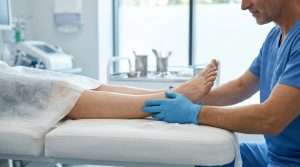
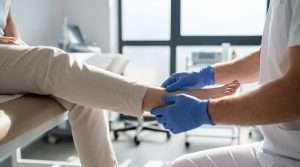
Accurate vascular diagnosis is the absolute foundation of an effective healing strategy. A trained vascular specialist will conduct a thorough physical examination to meticulously assess the specific characteristics of the ulcer, measure its dimensions, and evaluate the health of the surrounding skin tissue. The physician will also review the patient’s comprehensive medical history for risk factors like prior blood clots or prolonged standing occupations.
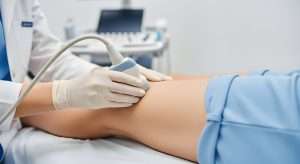
The most critical diagnostic tool utilized is the venous duplex ultrasound. This painless, non-invasive imaging test allows the physician to visualize the blood flow within the deep and superficial leg veins in real-time. By accurately mapping the venous system, the specialist can pinpoint exactly which specific valves are malfunctioning and determine the precise severity of the chronic venous insufficiency. Additional diagnostic screenings may be utilized to measure the blood pressure in the ankles, ensuring no simultaneous arterial blockages exist that might complicate the healing process.
What Are the Options for Venous Leg Ulcer Treatment in Denver?
The primary goal of any comprehensive venous leg ulcer treatment in Denver is to immediately reduce the intense pressure pooling in the leg veins, successfully close the open wound, and permanently prevent a future recurrence. Treatment virtually always involves a highly customized combination of advanced wound care and specific medical interventions tailored to the patient’s vascular anatomy.
Aggressive compression therapy remains the absolute cornerstone of conservative ulcer management. Specialized multilayer compression bandages or semi-rigid Unna boots are professionally applied to the leg to deliver strict, graduated pressure. This external pressure physically counteracts the faulty internal vein valves, forcefully pushing the pooled fluid out of the lower leg and significantly improving blood return to the upper body. While this specialized compression aids in healing the immediate open ulcer, structurally addressing the diseased veins themselves is required to prevent future sores.
Modern, minimally invasive vein treatments have completely revolutionized outpatient vascular care. Endovenous thermal ablation uses targeted laser or radiofrequency energy to gently heat and permanently close off the malfunctioning vein from the inside. Once the severely diseased vein is securely sealed, the body naturally and instantly reroutes blood flow to nearby healthier veins, drastically reducing the localized venous pressure in the lower leg. Ultrasound-guided sclerotherapy is another highly effective medical option, involving the precise injection of a specialized medication to collapse and close smaller diseased veins. Consulting with experienced vascular surgeons ensures that patients receive a targeted, safe treatment plan designed for permanent, long-term success rather than just temporary symptom relief.
How Can Patients Prevent Venous Ulcers from Returning?
Successfully healing an ulcer is only the first critical step; preventing its eventual return requires ongoing vascular vigilance and specific lifestyle modifications. Patients are strongly advised to wear properly fitted, medical-grade graduated compression stockings daily, even long after the primary wound has completely closed. Elevating the legs above the level of the body whenever sitting, sleeping, or resting for prolonged periods dramatically reduces resting venous pressure.
Regular, low-impact exercise, particularly daily walking, is highly beneficial because it actively engages the calf muscle pump, assisting the leg veins in moving blood efficiently. Maintaining a healthy body weight also heavily alleviates unnecessary mechanical stress on the lower extremity veins. Patients should routinely review the specialized patient resources provided by their designated vascular clinic to stay educated and strictly informed on the absolute best practices for long-term vein health management.
When Should a Patient Seek Professional Vascular Care?
Delaying essential treatment for a non-healing vascular sore significantly increases the risk of severe medical complications. Any sore, scrape, or lesion on the lower leg, ankle, or foot that does not show distinct signs of measurable improvement within two weeks warrants immediate professional medical evaluation. Urgent attention is required if the sore is suddenly accompanied by an increase in localized pain, spreading redness, unusual warmth, a foul odor, or an increase in cloudy drainage. Patients experiencing any of these alarming symptoms should contact the vascular team promptly for an urgent assessment and specialized wound management.
Frequently Asked Questions
Can a venous leg ulcer heal without surgery?
Many venous leg ulcers can heal with conservative treatments like specialized compression therapy and advanced wound care. However, addressing the underlying vein disease with minimally invasive vascular procedures often prevents the ulcer from returning.
How long does it take for a venous leg ulcer to heal?
Healing time varies depending on the precise size of the ulcer and the patient’s overall vascular health. With proper medical intervention and strict compression, most ulcers begin to show significant improvement within three to four months, though highly severe cases may take longer.
Is walking good for a venous leg ulcer?
Yes, walking is generally highly encouraged for patients with venous leg ulcers. The calf muscle acts as a powerful natural pump, helping to forcefully push blood back up the leg and heavily reducing localized venous pressure, which directly aids the healing process.
What does a venous leg ulcer look like?
A venous leg ulcer typically presents as a shallow, red sore with irregular borders, most commonly located on the inner side of the lower leg just above the ankle. The surrounding skin may appear shiny, exceptionally tight, and reddish-brown or discolored.
Are venous leg ulcers painful?
While venous ulcers are generally considered less painful than arterial ulcers, they can still cause distinct aching, heaviness, and severe discomfort in the lower leg. Pain levels often fluctuate depending on the specific amount of swelling and the presence of any localized bacterial infection.