Leg swelling is often a sign of a vein problem when it is accompanied by symptoms like heaviness, aching, skin discoloration, or visible varicose veins. When the tiny one-way valves inside the lower extremity veins fail to function properly, blood pools in the legs, leading to persistent fluid retention and swelling. Consulting a leg swelling vascular doctor in Denver is the most effective way to accurately diagnose and treat these underlying venous issues before they progress into more severe complications.
What Causes Leg Swelling in the Vascular System?
The human vascular system relies on a complex network of arteries and veins to circulate blood throughout the body. While arteries carry oxygen-rich blood to the extremities, veins are responsible for returning that blood upward against the force of gravity. To accomplish this, leg veins contain tiny one-way valves that open to let blood flow upward and close to prevent it from flowing backward. When these structural components become damaged or weakened, the system fails to work efficiently. Blood begins to pool in the lower extremities, increasing the hydrostatic pressure inside the blood vessels. This excessive pressure forces fluid out of the veins and into the surrounding tissues, resulting in the visible swelling known as edema.
Chronic Venous Insufficiency (CVI)
One of the most frequent vascular causes of leg and ankle swelling is chronic venous insufficiency. This condition occurs when the venous valves remain impaired over an extended period, leading to constant blood pooling. Patients dealing with this condition typically notice that their swelling worsens throughout the day, especially after prolonged periods of standing or sitting, and improves after elevating the legs overnight. Over time, chronic venous insufficiency can lead to changes in skin texture, a dark discoloration around the ankles, and the development of bulging superficial veins. If left unmanaged, the continuous high pressure in the lower legs can eventually cause the skin to break down, resulting in painful, slow-healing open wounds known as venous stasis ulcers. Finding comprehensive care from Colorado Cardiovascular Surgical Associates ensures that patients receive the proper evaluation to determine if chronic venous insufficiency is the root cause of their discomfort.
Deep Vein Thrombosis (DVT)
While chronic venous insufficiency develops gradually, sudden and severe swelling in the legs can indicate a much more urgent vascular condition known as deep vein thrombosis. DVT occurs when a blood clot forms in one of the deep veins of the body, most commonly in the legs. This clot creates an immediate physical blockage that prevents blood from flowing properly, leading to a rapid buildup of pressure and fluid. Symptoms typically include unilateral swelling (affecting only one leg), localized warmth, redness, and a deep, throbbing pain in the calf or thigh. Because a deep vein blood clot poses a significant risk of breaking loose and traveling through the bloodstream, it requires immediate medical attention. Accurate diagnosis and swift intervention by highly trained vascular physicians are crucial to mitigating these severe, life-threatening risks.
How Can a Leg Swelling Vascular Doctor in Denver Help?
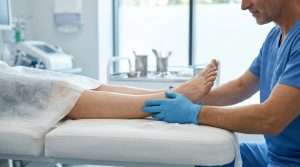
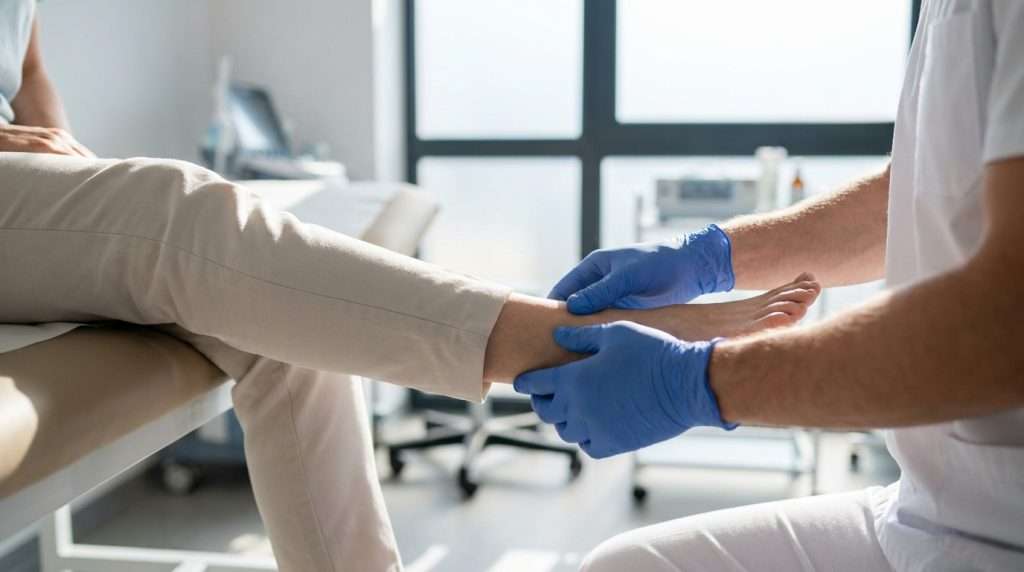
Addressing persistent edema requires specialized knowledge of the complex circulatory system. A dedicated leg swelling vascular doctor in Denver possesses the extensive training required to differentiate between benign fluid retention and progressive vascular disease. Rather than merely treating the symptom of swelling with temporary fixes, a specialist focuses on identifying the exact location of the compromised veins or blockages.
Advanced Diagnostic Ultrasound Mapping
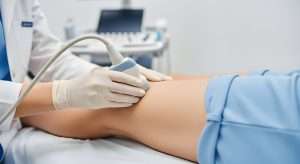
The foundation of an effective vascular treatment plan is a precise diagnosis. Vascular surgeons rely on non-invasive diagnostic tools, particularly duplex ultrasound imaging, to map the entire venous structure of the legs. This specialized ultrasound allows the physician to visualize blood flow in real-time, measure the speed and direction of the circulation, and pinpoint the exact valves that are failing. The procedure is entirely painless and provides a highly detailed map of the vascular anatomy. By identifying the specific diseased veins causing the increased pressure and subsequent swelling, the medical provider can tailor a highly specific, individualized treatment plan. Patients can access experienced vascular physicians who utilize state-of-the-art diagnostic technology to accurately assess circulatory health.
Minimally Invasive Treatment Options
Modern vascular medicine has evolved significantly, moving away from the highly invasive vein stripping surgeries of the past. Today, specialized vascular specialists utilize minimally invasive endovenous therapies to address the root cause of leg swelling. Techniques such as endovenous thermal ablation use specialized heat energy—delivered via a tiny catheter—to safely close off the malfunctioning vein. Once the diseased vein is sealed, the body naturally reroutes the blood flow to adjacent, healthy veins. This eliminates the venous pressure that was forcing fluid into the surrounding tissues, thereby resolving the swelling. Other treatments, such as ultrasound-guided foam sclerotherapy or microphlebectomy, may also be employed depending on the patient’s unique anatomy. These procedures are typically performed on an outpatient basis, requiring minimal downtime and allowing individuals to quickly return to their normal daily activities.
What Are the Most Common Vascular Conditions Associated With Swollen Ankles?
Beyond chronic venous insufficiency and acute blood clots, there are other distinct vascular conditions that can contribute to fluid retention and lower extremity swelling. A thorough medical evaluation is required to distinguish between these interconnected circulatory issues.
Varicose Veins
Varicose veins are often viewed merely as a cosmetic issue, but they represent a tangible failure in the venous system. These enlarged, twisted, and bulging veins are a direct result of valve dysfunction. Because they cannot efficiently move blood upward, they become engorged, creating a localized area of high pressure. This pressure invariably leads to localized swelling, aching, and a heavy sensation in the legs. When individuals ignore these bulging veins, the persistent swelling can cause the surrounding tissue to become inflamed and fibrotic. Seeking evaluation for underlying varicose veins is a critical step in preventing the progression of the disease and maintaining long-term leg health.
Peripheral Arterial Disease (PAD) Interactions
While swelling is primarily a venous issue, it is essential to consider the entire circulatory system. Peripheral arterial disease involves the narrowing of the arteries that supply blood to the lower extremities, typically due to atherosclerosis, which is a buildup of plaque. PAD generally causes symptoms like cramping, pain during walking (claudication), and coolness in the lower legs rather than swelling. However, many older adults suffer from mixed vascular disease, meaning they have both arterial blockages and venous insufficiency simultaneously. A specialized vascular surgeon must carefully evaluate patients to ensure that any treatments designed to address venous swelling do not negatively impact compromised arterial circulation. Providing comprehensive vascular services ensures that both sides of the circulatory system are evaluated for safe and effective care.
When Should Individuals Seek Professional Vascular Care?
Determining the right time to seek specialized medical evaluation can prevent long-term tissue damage and significant discomfort. Swelling that occurs occasionally after a long flight or an exceptionally long day on one’s feet may resolve on its own. However, chronic or escalating symptoms warrant professional assessment.
Recognizing Red Flag Symptoms
Individuals should pursue a vascular consultation if their leg swelling is persistent, occurs daily, or does not completely resolve after overnight elevation. Additional red flags include swelling that is accompanied by pain, a heavy or tight feeling in the calves, visible skin discoloration, or the presence of spider and varicose veins. Unilateral swelling—where only one leg or ankle is noticeably swollen—is a particularly strong indicator of a localized vascular issue, such as a venous obstruction or blood clot. It is always recommended to contact the clinic for a thorough evaluation when these warning signs appear.
Understanding the Risks of Untreated Swelling
Ignoring persistent vascular swelling can lead to a cascade of worsening health issues. As fluid continually saturates the tissues of the lower leg, the skin becomes stretched, fragile, and deprived of essential nutrients. This chronic state of inflammation can lead to a condition known as lipodermatosclerosis, where the skin and underlying fat become permanently hardened, discolored, and severely painful. Ultimately, the compromised skin can break open, forming venous ulcers. These ulcers are highly susceptible to severe infections and can take months to heal, drastically reducing an individual’s quality of life. Early intervention by a dedicated vascular specialist interrupts this cycle of tissue damage.
Frequently Asked Questions
Can poor circulation cause swollen ankles?
Yes, poor circulation, particularly poor venous circulation, is a leading cause of swollen ankles. When the veins in the legs cannot efficiently return blood upward, fluid pools in the lower extremities, leading to noticeable edema around the ankles and calves.
Is walking good for vascular leg swelling?
Walking is highly beneficial for managing venous-related leg swelling. The physical action of walking engages the calf muscle pump, which actively squeezes the deep veins in the legs and helps push pooled blood back upward, reducing pressure and fluid buildup.
How is venous leg swelling diagnosed?
Venous leg swelling is typically diagnosed using a duplex ultrasound. This non-invasive imaging test allows a vascular specialist to view the blood flow within the veins, measure circulation speed, and identify any malfunctioning valves or blockages causing the swelling.
Can varicose veins cause both legs to swell?
Yes, if varicose veins and venous insufficiency are present in both legs, they can cause bilateral swelling. However, the swelling is often asymmetrical, meaning one leg may appear noticeably more swollen than the other depending on the severity of the diseased veins in each limb.
What happens if vascular leg swelling is left untreated?
If left untreated, chronic vascular swelling can lead to permanent skin damage, severe discoloration, and the hardening of the tissue. Over time, the constant pressure and poor tissue nutrition can cause the skin to break down, resulting in painful, difficult-to-heal venous stasis ulcers.