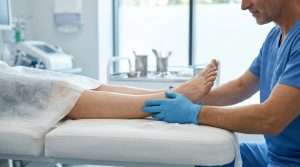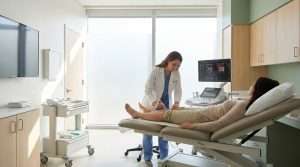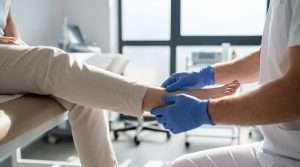

Cold hands and feet are typically a natural physiological response to falling temperatures, but they become a sign of a circulation problem when accompanied by persistent numbness, pain, or skin discoloration. Individuals experiencing chronic cold feet from poor circulation in Denver should seek a professional vascular evaluation, especially if symptoms persist indoors or cause discomfort during daily activities. Identifying underlying vascular conditions early can prevent serious complications such as permanent tissue damage, severe arterial blockages, or chronic mobility issues.
Understanding the Causes of Cold Hands and Feet in Winter
During the colder months, the human body naturally prioritizes maintaining its core temperature to protect vital organs. This process often leaves the extremities feeling chilly, but determining the difference between a natural bodily response and a medical concern is crucial for long-term vascular health.
Normal Responses to Cold Weather
When exposed to cold temperatures, blood vessels in the hands and feet naturally constrict. This process, known as vasoconstriction, reduces blood flow to the skin and extremities to minimize heat loss from the body. For most individuals, simply moving to a warmer environment, putting on gloves, or wearing thicker socks will restore normal blood flow and alleviate the cold sensation within minutes. In a healthy circulatory system, the extremities will quickly regain their normal color and warmth once the environmental trigger is removed.
When Cold Extremities Point to a Vascular Issue
When the feeling of freezing hands and feet persists regardless of the ambient temperature, it may point to an underlying vascular deficiency. If a person finds that their extremities remain ice-cold even while sitting in a heated room or resting under heavy blankets, the circulatory system may be struggling to deliver adequate blood flow. Furthermore, if the coldness is asymmetrical—meaning one hand or foot is noticeably colder than the other—it is a strong indicator that an localized arterial or venous issue is restricting circulation. In these scenarios, scheduling a comprehensive vascular check is highly recommended.
What Causes Poor Circulation Resulting in Cold Feet in Denver?
Various vascular conditions can impede the flow of oxygen-rich blood to the extremities. For residents facing cold feet from poor circulation in Denver, the drop in temperature often exacerbates these underlying conditions, making symptoms more noticeable during the winter months.
Peripheral Arterial Disease (PAD)
One of the most common culprits behind severely cold feet is Peripheral Arterial Disease. This condition occurs when plaque builds up within the arteries that supply blood to the legs and feet. This buildup, known as atherosclerosis, narrows the arterial pathways and significantly restricts blood flow. Patients with PAD often notice that their feet feel unusually cold to the touch. In addition to temperature changes, PAD frequently causes claudication, which is a cramping pain in the calves or thighs that occurs during walking but subsides with rest.
Venous Insufficiency and Varicose Veins
While arterial issues restrict blood from reaching the extremities, venous issues prevent blood from efficiently returning to the upper body. Chronic venous insufficiency occurs when the valves within the veins of the lower legs become damaged or weakened. This causes blood to pool in the lower extremities, leading to swelling, heaviness, and a sensation of coldness. Untreated venous insufficiency frequently leads to Varicose Veins, which are enlarged, twisted veins visible just beneath the surface of the skin. Proper vascular evaluation is required to assess valve function and determine the best course of intervention.
Raynaud’s Phenomenon
Raynaud’s phenomenon is a disorder that causes the small blood vessels in the fingers and toes to spasm in response to cold temperatures or emotional stress. During an episode, the affected extremities may turn white, then blue, and finally red as blood flow returns. While primary Raynaud’s is often benign, secondary Raynaud’s can be linked to more severe connective tissue diseases or underlying vascular problems that require specialized monitoring.
The Broader Impact of Vascular Health
The vascular system is a continuous, interconnected network. When circulation issues are present in the hands and feet, it often indicates that vascular disease may be developing elsewhere in the body. The same atherosclerotic processes that narrow the arteries in the legs can also affect major blood vessels. Therefore, comprehensive vascular care looks beyond the extremities. A specialist may also screen for conditions like an Abdominal Aortic Aneurysm to ensure there are no life-threatening enlargements in the major blood vessels, highlighting the importance of full-body vascular health rather than treating symptoms in isolation.
Recognizing When to See a Vascular Specialist
Identifying the warning signs of severe circulatory compromise is essential for timely intervention. Individuals should monitor their symptoms closely and seek a professional evaluation if they notice any of the following warning signs.
Persistent Numbness or Tingling
Occasional tingling after sitting in an awkward position is normal, but chronic numbness or a pins-and-needles sensation in the hands and feet suggests nerve irritation due to restricted blood flow. If these sensations occur daily or disrupt sleep, medical attention is required.
Changes in Skin Color and Texture
Poor circulation often manifests visibly on the skin. The legs or feet may appear unnaturally pale when elevated and develop a reddish-blue hue when dangled over the edge of a chair. Additionally, a lack of blood flow can cause the skin on the lower legs to become shiny, thin, and brittle. A noticeable loss of hair on the toes, feet, or lower legs is also a classic sign of advanced arterial insufficiency.
Slow-Healing Wounds on the Lower Extremities
Healthy blood flow is vital for tissue repair and immune response. When circulation is compromised, minor scrapes, blisters, or cuts on the feet and toes may take weeks or even months to heal. These non-healing sores, often referred to as arterial or venous ulcers, are a late-stage complication of vascular disease and require immediate clinical care to prevent infection and tissue death.
Diagnostic Tools and Vascular Screenings
Advancements in medical technology have made diagnosing circulatory issues highly precise and minimally invasive. When individuals present with symptoms of poor circulation, specialists typically begin with non-invasive vascular screenings. The Ankle-Brachial Index (ABI) is a common initial test that compares the blood pressure in the ankle with the blood pressure in the arm. A significantly lower pressure in the ankle suggests blocked arteries in the legs.
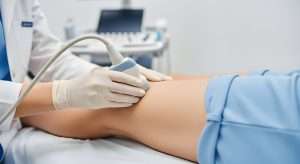
Vascular ultrasound imaging is another standard diagnostic tool. By using high-frequency sound waves, specialists can visualize blood flowing through the arteries and veins in real-time, pinpointing the exact location of blockages, plaque buildup, or malfunctioning venous valves. Based on these findings, an accurate treatment plan can be developed.
Managing and Treating Poor Circulation
Treating cold hands and feet requires addressing the root vascular cause rather than merely masking the symptoms with warm clothing. Depending on the severity of the condition, management ranges from lifestyle modifications to advanced surgical interventions.
Lifestyle Modifications
For early-stage circulatory issues, lifestyle changes can profoundly impact vascular health. Quitting smoking is paramount, as nicotine causes blood vessels to constrict and accelerates plaque buildup. Engaging in a structured walking program can also help individuals with PAD build collateral circulation, where the body naturally develops new, smaller blood vessels to bypass blockages. Maintaining a balanced diet and managing conditions like diabetes and high blood pressure also play critical roles in slowing the progression of vascular disease.
Medical and Surgical Interventions
When conservative measures are insufficient, vascular specialists may recommend targeted interventions to restore blood flow. Minimally invasive endovascular procedures, such as angioplasty or atherectomy, involve using catheters to open narrowed arteries and remove plaque from the inside of the vessel walls. In cases of severe blockage, surgical bypass may be necessary to reroute blood flow around the diseased artery using a synthetic graft or a healthy vein from another part of the leg.
Patients seeking specialized care should seek clinics with comprehensive diagnostic and surgical capabilities, such as Colorado Cardiovascular Surgical Associates. Finding the right care involves reviewing the qualifications of experienced vascular surgeons who specialize exclusively in arterial and venous health. Those experiencing chronic symptoms are encouraged to schedule a consultation with a vascular specialist to undergo a thorough evaluation and regain comfort during the winter months.
Frequently Asked Questions
Why do hands and feet get colder as people age?
As individuals age, blood vessels naturally lose some of their elasticity, and the walls of the arteries may thicken. This age-related change makes it more difficult for blood to circulate efficiently to the furthest points of the body, resulting in colder hands and feet. Aging also increases the risk of developing conditions like atherosclerosis, which further restricts blood flow.
Can poor circulation in the feet be reversed?
While the underlying plaque buildup in conditions like Peripheral Arterial Disease cannot be entirely cured or reversed naturally, circulation can be significantly improved. Lifestyle changes, supervised exercise, medications, and medical interventions can open blocked arteries or create new pathways for blood flow, effectively restoring warmth and function to the extremities.
Does drinking water help with blood flow?
Yes, adequate hydration is essential for maintaining a healthy blood volume and optimal circulation. When the body is dehydrated, blood becomes thicker and more viscous, making it harder for the circulatory system to pump it efficiently through narrow peripheral vessels. Drinking sufficient water helps maintain optimal blood viscosity.
How is peripheral arterial disease diagnosed?
Vascular specialists primarily diagnose Peripheral Arterial Disease using a combination of physical examinations and non-invasive tests. The Ankle-Brachial Index test is the most common diagnostic tool, alongside duplex ultrasound imaging to visualize the blood flow and identify specific areas of arterial narrowing or blockages in the legs.
Are cold feet always a sign of a medical condition?
No, experiencing cold feet is often a normal physiological response to a cold environment. However, when cold feet occur in warm environments, affect one side more than the other, or are accompanied by pain, numbness, or non-healing sores, they strongly suggest an underlying vascular condition that requires professional medical assessment.